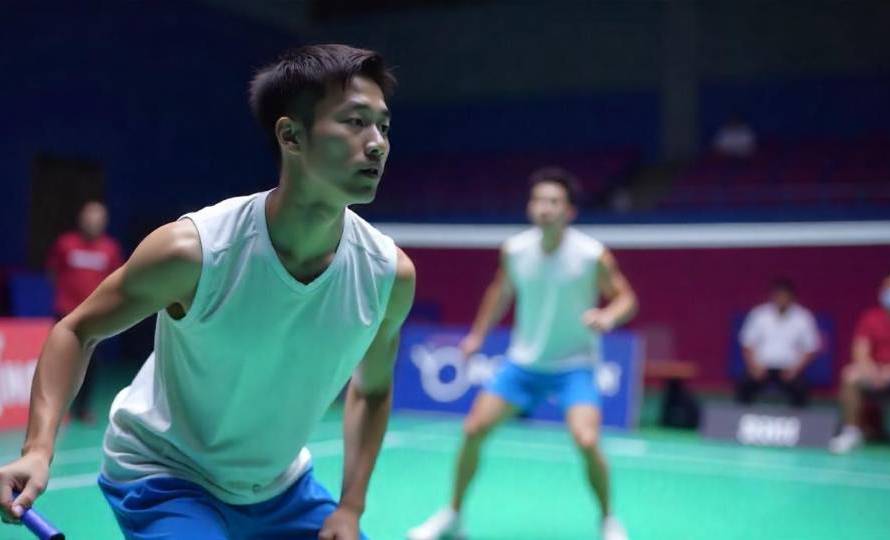
What Are The Signs Of Poor Coordination?
Many parents and beginners ask what are the signs of poor coordination when they notice awkward movement, frequent stumbles, or difficulty hitting a shuttle. Coordination is the invisible link between the eyes, brain, and body. When that link is weak, even simple actions feel hard.
In badminton, poor coordination becomes obvious very quickly. Players arrive late to the shuttle, mistime shots, or lose balance during rallies. Understanding what are the signs of poor coordination helps learners take action early and improve faster.
Why Coordination Matters In Badminton
Coordination sits at the heart of every rally. It allows players to track the shuttle, move into position, and strike with timing. When coordination is strong, movement feels smooth and confident. When it is weak, everything feels rushed.
According to Sport Singapore, racket sports play a key role in improving agility and coordination by teaching learners how to start, stop, and change direction with control. You can explore their guidance here: https://www.sportsingapore.gov.sg.
This is why badminton is often used to develop coordination for both children and adults.
Common Movement Difficulties
One of the clearest answers to what are the signs of poor coordination is clumsy movement. Learners may shuffle their feet without purpose, cross their legs unintentionally, or struggle to recover after a shot.
These movement issues show that the brain and body are not yet communicating efficiently. Players often feel heavy on their feet or unsure where to step next. Over time, this leads to fatigue because every action costs extra energy.
In daily life, the same learners may bump into objects or feel awkward when changing direction quickly.

Struggling With Timing And Accuracy
Another common indicator when asking what are the signs of poor coordination is poor timing. Players swing too early or too late, miss the shuttle, or hit it off-centre.
Timing requires the eyes to judge distance while the arm responds at exactly the right moment. When this connection is weak, shots lack accuracy and confidence drops. Beginners often compensate by swinging harder, which only increases tension.
As coordination improves, timing becomes natural and accuracy rises without extra effort.
Balance And Stability Issues
Poor balance is a major sign of coordination challenges. Learners may wobble after lunges, land awkwardly, or lean excessively during rallies.
Balance depends on how well the core, legs, and upper body work together. When coordination is lacking, players struggle to stay upright while moving. This affects every stroke because a stable base is needed for clean contact.
Better coordination brings steadier posture and safer movement, especially during quick direction changes.
Slow Reaction And Decision Making
Reaction speed is another area affected by coordination. When learners ask what are the signs of poor coordination, delayed responses are often part of the picture.
Players react late to the shuttle, hesitate before moving, or freeze during rallies. This happens because visual information takes longer to translate into action. Over time, this slows learning and reduces enjoyment.
Improved coordination sharpens reflexes and helps players respond instinctively instead of overthinking.
Fatigue And Low Confidence
Poor coordination often leads to faster fatigue. Because movements are inefficient, the body works harder for the same result. Learners feel tired quickly and may avoid longer rallies.
This physical fatigue affects confidence. Missed shots and unstable movement create frustration, especially for beginners. When people repeatedly ask what are the signs of poor coordination, low confidence is usually part of the story.
Once coordination improves, energy levels rise and confidence follows naturally.
How Badminton Reveals Coordination Gaps
Badminton makes coordination gaps visible because it demands full-body integration. Every rally requires eye tracking, footwork, balance, and racket control at once.
Research shared by Harvard Health Publishing shows that recreational badminton improves muscular coordination while strengthening cardiovascular fitness. Their findings can be found here: https://www.health.harvard.edu.
This is why badminton is so effective for identifying and correcting coordination issues early.
How To Improve Coordination Through Training
The good news is that coordination can be trained. Simple rallies, guided footwork patterns, and controlled drills already challenge the brain-body connection.
Short, regular sessions work better than occasional intense ones. Beginners should focus on movement quality rather than speed. Over time, reactions sharpen, balance improves, and shots feel more natural.
Supportive coaching accelerates progress by correcting habits early and keeping learning enjoyable. Many learners at ULTExplosive Badminton Academy see visible improvement within weeks when training focuses on coordination fundamentals.
Long-Term Benefits Of Fixing Poor Coordination
Addressing what are the signs of poor coordination early creates long-term benefits. Movement becomes smoother. Injuries become less likely. Confidence grows.
Coordination developed through badminton supports other sports and everyday activities. Players who improve coordination find it easier to learn new skills, stay active, and enjoy physical challenges.
This makes coordination not just a badminton skill, but a lifelong foundation for health and movement.
Conclusion
So, what are the signs of poor coordination? They include clumsy movement, poor timing, unstable balance, slow reactions, early fatigue, and low confidence. The encouraging part is that all of these can improve with the right training approach. Badminton provides a fun, effective way to rebuild coordination by connecting the eyes, body, and mind through purposeful movement.
If you or your child would like to improve coordination through structured coaching and supportive training, visit https://ultexplosiveba.com.sg/ and begin your personalised badminton journey today.
FAQ
Q: What are the signs of poor coordination in beginners?
A: Common signs include awkward movement, missed shots, unstable balance, and slow reactions.
Q: Can badminton help fix poor coordination?
A: Yes, badminton trains hand-eye coordination, balance, and reaction speed through active play.
Q: How long does it take to improve coordination?
A: Most learners notice progress within a few weeks of consistent practice.
Q: Does poor coordination affect confidence?
A: Yes, missed shots and unstable movement often reduce confidence until coordination improves.
Click on the link to find out more about TM Tennis Academy’s lesson package. Chat with our head coach today!
Home
About ULTExplosive Badminton Academy
Our Locations
Private Badminton Lessons
Kids Badminton Lesson
Group Badminton Lessons
Whatsapp Us