Why Is Coordination Important In Badminton?
Badminton may look simple from the outside, yet many players and parents ask why is coordination important in badminton once they step onto the court. The shuttle moves quickly, the feet change direction constantly, and the racket must meet the shuttle at exactly the right moment. Every rally demands that the eyes, hands, feet and mind work together. Coordination is what connects all these parts into one smooth movement.
For beginners, coordination determines how fast progress happens. For children, it shapes physical development. For adults, it decides whether the sport feels enjoyable or frustrating. When coordination improves, everything else starts falling into place.
Coordination Builds Strong Movement Foundations
Understanding why is coordination important in badminton starts with movement. Badminton trains the body to start, stop and change direction while staying balanced. This builds a foundation of agility, stability and body awareness.
According to Sport Singapore, racket sports significantly improve coordination and agility, helping learners develop efficient movement patterns that support overall physical growth. You can explore their insights here: https://www.sportsingapore.gov.sg.
These foundations extend beyond badminton. Children become steadier when running or climbing. Adults notice better posture and smoother daily movement. Coordination teaches the body how to move as one connected system rather than as separate parts.
How Coordination Improves Shot Accuracy
One of the clearest answers to why is coordination important in badminton is accuracy. A clean shot requires the eyes to track the shuttle, the feet to position the body, and the arm to swing with timing. If any link breaks, the shot suffers.
Good coordination allows players to meet the shuttle at the right height and angle. Beginners who develop coordination early experience fewer mishits and more consistent returns. Over time, this consistency builds confidence, making rallies longer and learning more enjoyable.
Accurate shots also reduce unnecessary effort. When timing improves, players stop forcing power and start generating speed naturally.

Coordination And Footwork Efficiency
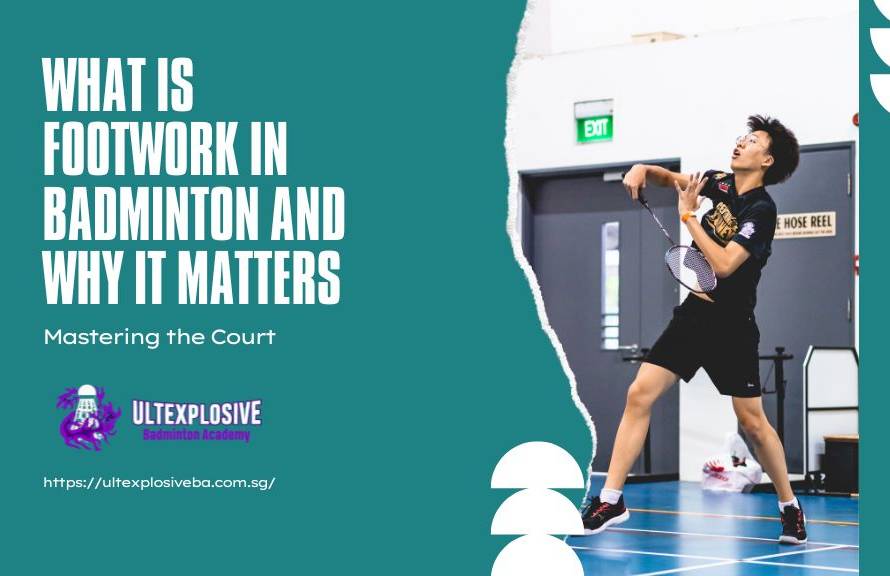
Footwork is where coordination becomes visible. Every lunge, recovery step and side shuffle depends on how well the brain communicates with the legs. When coordination improves, movement becomes lighter and more efficient.
This efficiency matters because badminton is continuous. Players who move smoothly conserve energy and stay balanced, while those with poor coordination tire quickly. Coordinated footwork also places the body in better positions for every stroke, making technique easier to apply.
At ULTExplosive Badminton Academy, many learners experience their biggest breakthroughs once their footwork coordination improves. Movement unlocks the rest of the game.
Coordination Boosts Reaction Speed
Badminton trains reaction speed in a way few sports can. The shuttle changes direction rapidly, forcing players to respond within fractions of a second. This is another reason why is coordination important in badminton.
As coordination improves, reactions become sharper. The eyes recognise patterns faster, and the body responds without hesitation. Children develop quicker reflexes. Adults notice improved alertness and focus.
These gains carry into daily life, supporting safer movement and quicker responses in unexpected situations.
Coordination Supports Injury Prevention
Poor coordination often leads to awkward landings, late swings and unstable movement. Over time, this increases the risk of strain or discomfort. Strong coordination helps the body absorb impact safely and move with control.
Research shared by Harvard Health Publishing shows that recreational badminton improves muscular coordination while strengthening cardiovascular fitness, contributing to safer and more efficient movement. Their findings can be found at https://www.health.harvard.edu.
When players move in harmony, joints experience less stress. This makes coordination a key factor in long-term playing comfort, especially for beginners and adults returning to sport.
Coordination Enhances Learning For Beginners
For new players, coordination determines how quickly skills develop. Beginners who struggle to connect eye tracking with racket movement often feel stuck. Once coordination improves, learning accelerates.
This is why coaches focus on simple rally drills and movement patterns early on. These exercises train the brain and body to communicate better. As this connection strengthens, beginners start executing shots more naturally and with less effort.
Learning becomes smoother, and progress feels rewarding rather than overwhelming.
Coordination Builds Confidence And Mental Focus
Another powerful reason why is coordination important in badminton is confidence. When the body responds reliably, players feel in control. This confidence reduces hesitation and supports better decision making.
Coordination also sharpens mental focus. Players learn to stay present, read the shuttle and anticipate opponents. These thinking skills develop alongside physical ability, creating a balanced learning experience.
For children, this builds self-belief. For adults, it provides stress relief and mental clarity through active engagement.
Coordination And Long-Term Athletic Development
Coordination developed through badminton supports growth in any sport. Players who start with badminton often transition easily into other activities because they already understand timing, balance and movement control.
This answers why is coordination important in badminton from a long-term perspective. It builds physical literacy that lasts a lifetime. Whether learners continue with badminton or explore other sports, coordination remains a transferable skill that supports ongoing activity and health.
Badminton becomes both a foundation and a pathway for lifelong movement.
How To Improve Coordination Through Badminton Training
Coordination improves through consistent practice, not complicated routines. Simple rallies, guided footwork patterns and controlled drills already challenge the brain-body connection.
Short, regular sessions work better than occasional intense ones. Beginners benefit from focusing on movement quality rather than speed. Over time, the body adapts, reactions sharpen and shots feel more natural.
Supportive coaching accelerates this process by correcting habits early and keeping learning enjoyable.
Conclusion
So, why is coordination important in badminton? Because it connects movement, accuracy, reaction speed, confidence and long-term development into one powerful skill set. Coordination allows players to move smoothly, hit cleanly and enjoy the game without unnecessary strain. It supports beginners, strengthens children and keeps adults active with confidence.
If you or your child would like to build coordination through structured coaching and supportive training, visit https://ultexplosiveba.com.sg/ and begin your personalised badminton journey today.
FAQ
Q: Why is coordination important in badminton for beginners?
A: Coordination helps beginners move smoothly, hit accurately and learn faster without frustration.
Q: Can badminton improve coordination in children?
A: Yes, badminton strengthens hand-eye coordination, balance and reaction speed through active play.
Q: Does coordination affect shot power?
A: Yes, better coordination improves timing and body alignment, which naturally increases shot effectiveness.
Q: How long does it take to see coordination improvement?
A: Most learners notice progress within a few weeks of consistent practice.
Click on the link to find out more about TM Tennis Academy’s lesson package. Chat with our head coach today!
Home
About ULTExplosive Badminton Academy
Our Locations
Private Badminton Lessons
Kids Badminton Lesson
Group Badminton Lessons
Whatsapp Us